Category: Social Media

  • A case for organisations running their own ActivityPub servers

    A case for organisations running their own ActivityPub servers

    The internet has always been about standards, otherwise it simply would not work. The visibility of these for the average user has diminished as large platforms have monopolised activities on the web and run them with their own invisible data structures.

    Now the internet is the main form of communication there is a growing acknowledgement that organisations pushing updates to the internet need to do it in an open and and ideally internationally standardised format that allows it to disseminate easily and widely.

    Standardising Public Information Publishing

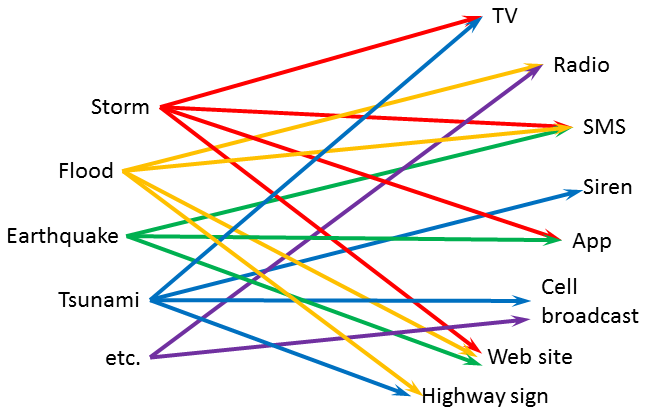
    An example of this is the Common Alerting Protocol (CAP) that the NZ Metservice has implemented as a way of publishing their weather alerts, their reasons are well documented here but basically boil down to their reasons copied here:

    • CAP has a defined standard. This means there is consistency in how it is implemented in different countries, making it easier for developers to use
    • A single message can deliver consistent hazard information to multiple systems or end points thus enhancing warning effectiveness
    • CAP alerts can be geographically targeted to a defined warning area
    • CAP is a rich format capable of including maps, images, video and audio for improved accessibility
    • CAP can also support multiple languages

    Our local Council the Queenstown Lakes DIstrict Council (QLDC) is an example of an entity similar to the Metservice in that it has important information that needs to be published to a wide population all using different platforms and tools. For example:

    • Roading alerts
    • Local Emergencies
    • Swimming pool and Library service updates

    The QLDC currently publishes these to Facebook and on their website which limits their easy dissemination to those two platforms and developers willing to write non-standard code to scrape the data into other systems.

    This information could easily be published using the ActivityPub Protocol and set free for users to manage their own interactions with and developers to pull into their platforms in standard ways.

    Should an entity run it’s own presence much like they run their own website or email?

    A major question is if the QLDC should simply make accounts on an existing Fediverse server, like they have on Facebook, or should stand up their own server that they have complete control over. We contend that the latter is the appropriate solution:

    • Easily and cheaply segment information by running multiple accounts with recognisable handles:
      [email protected]
      [email protected]
      – …
    • Aggregator handles could auto repost groups of handles i.e. [email protected] would repost the pool, library, roading etc alerts in that area
    • Publishing can be done from a web app signed into multiple accounts or automated from existing systems with established code libraries
    • The software (i.e. gotosocial, snac) can be locked down to reduce security concerns
    • Posts can be edited and deleted and either welcome public comment or have it filtered or disabled

    Possible disadvantages

    • Cost
      While the upfront cost of Facebook is free its cost to society and reliability as a civic actor is not stable. To run a dedicated presence would cost $500 – $1500nzd a year which does not seem much for wrestling back control of dissemination and making it easier for constituents to access public information
    • Complexity
      It is a new thing to learn for the people managing the publishing. But it is in a known format, people are used to Social Media, and once people are onboard they find it refreshingly simple. No boosting, ads, gatekeepers.


    Fediverse Reactions
  • Website and Social Media Strategy for Small Non-Profit Organisations

    Website and Social Media Strategy for Small Non-Profit Organisations

    I am involved in a Trust that runs a Community Workshop in Wānaka and used to look after the website for another non-profit Wānaka Wastebusters.

    The demands of running a website change all the time along with the expectations of delivering content on social media.

    All non-profits have limited resources and we at Pure Web Hosting have been considering for some time what a strategy for successful web engagement would look like with this in mind.

    Goals

    • It has to be easy to execute for people with limited time and they need to feel empowered enough to keep doing it
    • The technology has to stay stable so time invested learning compounds, skipping around tech platforms and re-creating things needlessly is a disaster when a slow burn build up is what we are after
    • Creating content is an investment and only publishing it in social media platforms throws away the chance to build up a search engine friendly dataset and/or nicely formatted history of the organisation
    • Content created should ideally be published once and automatically propagated widely and reliably into social media making the most of the effort of creating it
    • Adding features at low cost should be available with relatively low investment (selling tickets or adding a donate button should not require a big investment in outside help)
    • It should be a KISS solution that can be handed over as easily as possible to the next maintainer
    • The website should be fungible, it needs to be easy to take it elsewhere if the provider is annoying or increasing costs out of control.
    • Price should be low

    Looking at the above goals I think I have set myself an impossible task. Below I’ll lay out how these might be achieved over time.

    Solutions

    This assumes an organisation wishes to have a website. Of course some might only want to exist in social media, those are not dealt with here.

    The foundation – The Website Platform

    There are many website publishing platforms and content management systems. In 2025 I think it can be summed up like this:

    • Squarespace and Wix seems cheap until you start adding things and your website can not be easily moved when they inevitably increase prices or enshitify the service
    • We’re talking the demands of a small org here so delivering high volumes of traffic is not assumed to be required
    • WordPress runs over 40% !!! of the internet, is fully open source, there are many people who know how to work in it and while it does have a learning curve; any effort made will compound into the future.

    So running the website itself with WordPress, hopefully on our hosting service ;-), is, in our humble opinion, the best option. For more on WordPress and the difference between wordpress.com and running it yourself see here.

    Setting the style/design the Website

    Since 2018 WordPress has a block editing system which enables the creation of quite complex media layouts easily when using a standard theme. It’s evolving and with every free update it gets better.

    This means no need to invest in themes that have a yearly subscription or getting one designed specifically for your organisation. Starting with the latest theme WordPress ships with (currently twenty-twenty-five) and going from there works, it’s what this blog uses in it’s most basic form.

    Static site content

    All sites have these, think Home / About / Our Impact etc. In WordPress these are ‘pages’ and can be easily created with the Block Editor. It takes a bit to learn but once you are there .. it’s quick …

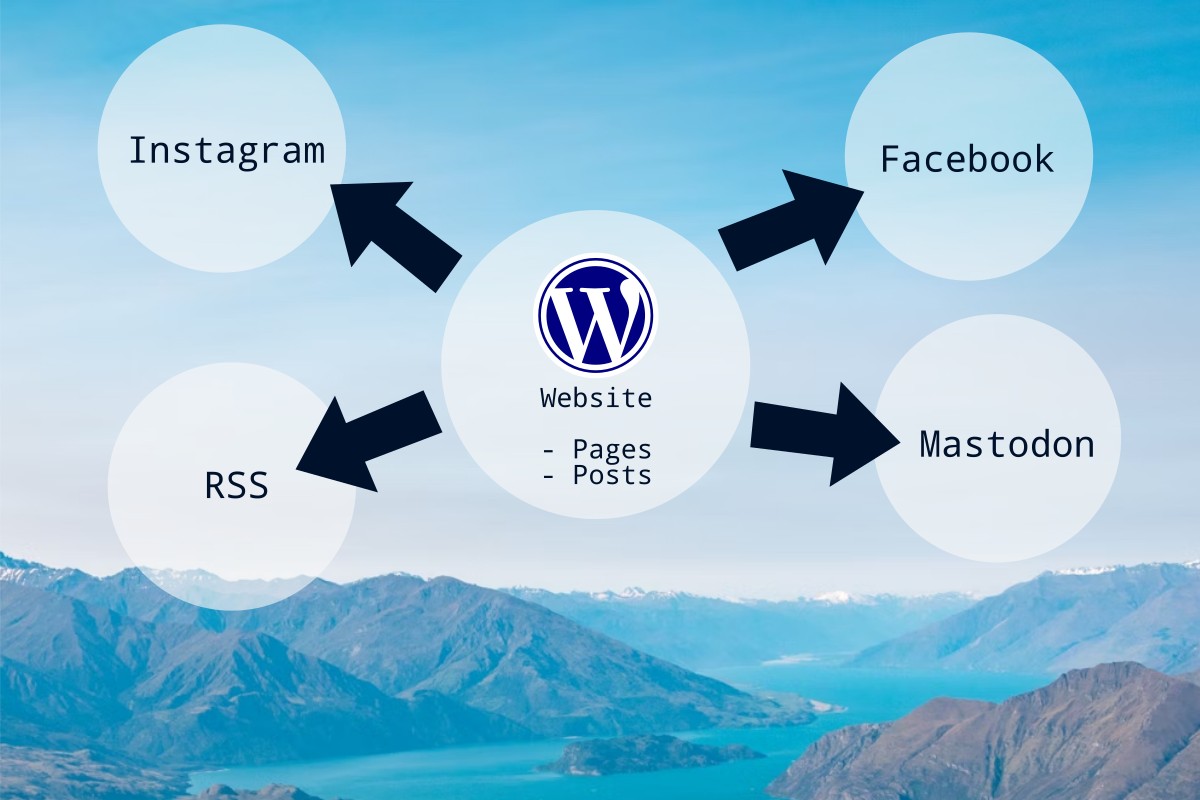
    Updates, News, Blogs and making Publish Once Propagate Widely a reality

    Most organisations have updates, announcements, news or progress they want to propagate out to the public. In WordPress you can create ‘Posts’ that have a publish date and which are easily presented as a feed or blog.

    The important thing here is that you get more engagement publishing this content on the social platforms, and many orgs only do this. It is our belief that pretty soon as say Facebook becomes more irrelevant people are going to really regret creating all that nice content and not being able to easily export it into a platform they have real control of.

    The solution here is to publish this content in the WordPress website and then post links to it on the social platforms. You then get the benefits of owning the data and can concentrate on making nice content knowing it will be seen.

    How is this achieved? There are WordPress plugins that do it automatically into Facebook and Facebook will automatically post into Instagram or Threads if you wish. You can also, with a free plugin, make your WordPress website a fully fledged node of the ActivityPub driven Mastodon world which is seeing increased adoption and may well become the standard in how to distribute and follow content.

    NB: Added 13th Oct 2025: We need to include implementation of Opengraph tags

    Cost

    The above ideally would cost no more than $200nzd per year to pay for a domain name and a web host who will ensure your website is available and safe.